-
How to Calculate the Cost-Effectiveness of C-Arm Rental vs. Purchase
Deciding between C-Arm rental vs. purchase can feel overwhelming, but making the right choice can save you thousands. Whether you're a small clinic or a large hospital, understanding the financial impact is key. Should you invest in buying or stick with renting? Let’s break it down in simple terms.
Renting offers flexibility, while purchasing gives long-term value. But which option truly benefits your budget? By comparing costs, maintenance, and future upgrades, you’ll see which one makes sense for you. Let’s dive in and find out which choice keeps your finances in check without sacrificing quality care.
Understanding the Cost Factors of C-Arm Rental vs. Purchase
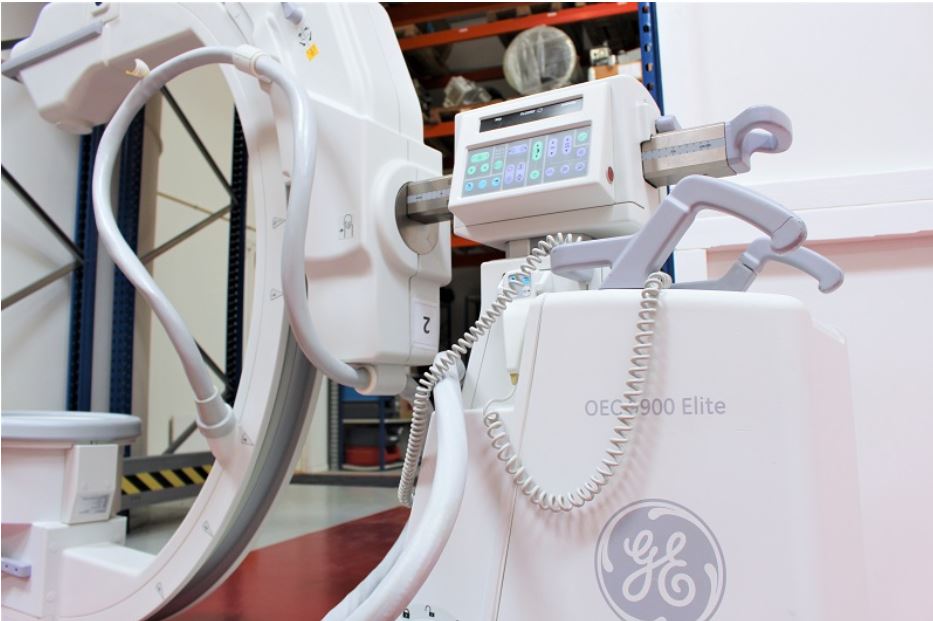
Choosing between C Arm rental vs. purchase isn’t just about price; it’s about making a smart financial decision for your medical facility. Before you commit, it’s important to understand the key cost factors that can impact your budget in the long run. Let’s break it down in a simple and clear way.
1. Upfront Costs vs. Monthly Expenses
Buying a C-Arm requires a large upfront investment, which can be a challenge for smaller clinics. On the other hand, renting allows you to pay in smaller, manageable amounts. But over time, those rental fees can add up.
2. Maintenance and Repairs
Owning a C-Arm means you’re responsible for maintenance and repairs, which can get expensive. Rental agreements often include maintenance, saving you from unexpected costs. This is a key factor to consider when planning your budget.
3. Depreciation and Resale Value
Medical equipment loses value over time. If you buy a C-Arm, it will eventually be worth less when you decide to upgrade. Renting eliminates this concern since you can easily switch to a newer model when needed.
4. Flexibility and Commitment
Renting gives you flexibility, especially if you only need the machine for a short time. Buying makes more sense if you plan to use it long-term.
Step-by-Step Guide to Evaluating the ROI of Renting vs. Buying a C-Arm
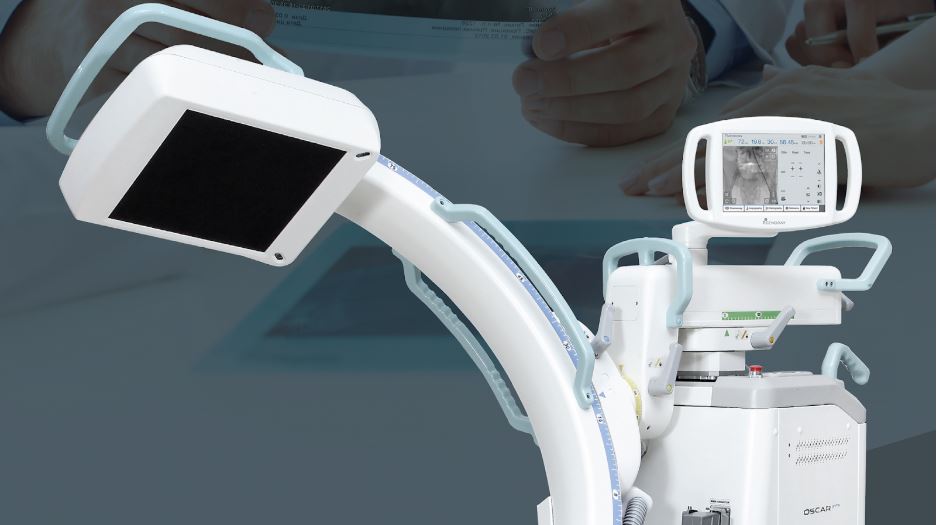
Making the right choice between renting vs. buying a C-Arm isn’t just about cost—it’s about return on investment (ROI). You need to determine which option gives you the best value over time. This step-by-step guide will help you evaluate ROI clearly and confidently.
1. Calculate the Total Cost of Ownership (TCO)
If you buy a C-Arm, factor in the purchase price, maintenance, repairs, insurance, and potential resale value. Renting? Add up monthly fees, service costs, and any hidden charges in the contract.
2. Analyze Rental Costs Over Time
Renting may seem cheaper upfront, but long-term rentals can cost more than buying. Compare short-term vs. long-term rental expenses to see where the breakeven point lies.
3. Determine Your Usage Frequency
How often will you use the C-Arm? If it’s for occasional procedures, renting makes sense. If it’s a daily necessity, buying is likely more cost-effective.
4. Consider Revenue Potential
A C-Arm can generate revenue through procedures. Estimate how much income it will bring in and compare it to the cost of ownership or rental.
5. Factor in Tax Benefits & Financing
Buying may offer tax deductions on depreciation, while renting could provide deductible expenses. Explore financial options to maximize savings.
Hidden Costs and Benefits of C-Arm Rental vs. Ownership
Choosing between C-Arm rental vs. ownership isn’t just about upfront costs. There are hidden expenses and unexpected perks that can impact your decision. Let’s uncover the lesser-known costs and benefits so you can make a well-informed choice.
Hidden Costs of Buying a C-Arm
Owning a C-Arm comes with several hidden costs that can add up over time. One major expense is maintenance and repairs, as owners are responsible for servicing and fixing the equipment, which can be costly without a warranty.
Additionally, storage and space requirements can be a challenge; if the machine isn’t in constant use, it may take up valuable space that could be better utilized. Another factor to consider is software updates and licensing, as some models require expensive upgrades to stay compliant with industry regulations and maintain efficiency.
Hidden Costs of Renting a C-Arm
Renting a C-Arm also comes with hidden costs that may not be obvious at first. While rental fees seem affordable in the short term, long-term rental expenses can sometimes surpass the cost of purchasing the equipment outright.
Additionally, rental agreements often include contract restrictions, such as limits on usage, penalties for early termination, or hidden fees that can increase costs unexpectedly. Another potential drawback is availability issues, as renting means relying on the provider’s inventory, which may not always align with your immediate needs.
Key Benefits of Renting
Despite these costs, renting offers several advantages. One of the biggest benefits is flexibility, as it allows facilities to upgrade or switch models as technology evolves. Renting also comes with no maintenance worries, since most agreements include servicing, reducing unexpected repair costs.
Plus, it requires a lower initial investment, making it an excellent option for clinics with budget constraints or short-term needs.
Key Benefits of Buying
Buying a C-Arm, on the other hand, has its own set of benefits. Long-term savings is a key advantage, as purchasing can be more cost-effective than paying ongoing rental fees. Ownership also provides full control, eliminating contract restrictions and dependency on third-party availability.
Additionally, even as the equipment depreciates, it still holds asset value, which can be beneficial for resale or trade-in opportunities in the future.
Expert Tips for Choosing Between Renting and Buying a C-Arm
Deciding between renting vs. buying a C-Arm isn’t just about cost; it’s about making the smartest choice for your facility’s needs. To help you avoid costly mistakes, here are expert tips to guide your decision.
1. Assess Your Usage Frequency
If you use a C-Arm daily, buying may be more cost-effective in the long run. But if you only need it occasionally, renting saves money and avoids unnecessary maintenance costs.
2. Compare Short-Term vs. Long-Term Costs
Renting offers a lower upfront cost, but long-term rental fees can add up. Buying requires a larger investment but may save you more over time. Do the math to see which option fits your budget.
3. Understand Rental Contracts & Hidden Fees
Always read the fine print! Some rental agreements include extra charges for extended use, maintenance, or early termination. Make sure you know exactly what you’re paying for.
4. Consider Future Technology Upgrades
Medical imaging technology evolves fast. Renting lets you upgrade easily, while buying means you might be stuck with an outdated model unless you reinvest in new equipment.
5. Explore Financing & Tax Benefits
Buying may offer tax deductions on depreciation, while renting can provide deductible business expenses. Look into financing options to make ownership more affordable.
Conclusion
When it comes to C-Arm rental vs. purchase, there’s no one-size-fits-all answer. It all depends on your budget, usage, and long-term goals.
By weighing costs, flexibility, and potential savings, you can make a smart choice. Whether you rent or buy, the key is making a decision that supports both your patients and your bottom line.
Our Services
Mini C-Arm Sales
Offers top-brand Mini C-Arm systems for medical imaging.
Repair & Maintenance
Provides remote and on-site Mini C-Arm servicing.
Rental Services
Flexible rental options with fast delivery.
Contact Us
Email: info@minicarm.com
Phone: +1 (800) 643-2998
Address: 89 Cabot Ct, Unit F&G, Hauppauge, NY 11788